There's something rather lovely about a living room that feels as though it has come together over time. A well-loved sofa, an antique armchair picked up at auction, perhaps an upholstered ottoman in a fabric that brings a little unexpected color to the room. But how do you bring together different seating styles without the space feeling disjointed?
While buying a matching living room furniture set might seem like the easiest way to create a cohesive scheme, it can sometimes leave a room feeling a little too predictable. The secret to a beautifully layered living room isn't finding pieces that look alike, but discovering the details that allow them to work together. From a shared color palette to contrasting silhouettes and thoughtfully mixed upholstery, there are plenty of ways to introduce variety while keeping a room feeling considered.
We asked interior designers to share their advice on how to mix living room seating successfully, from choosing complementary colors and fabrics to combining furniture from different periods. Here's how to get the balance just right.
1. Find a Common Color Story to Bring Different Seating Together
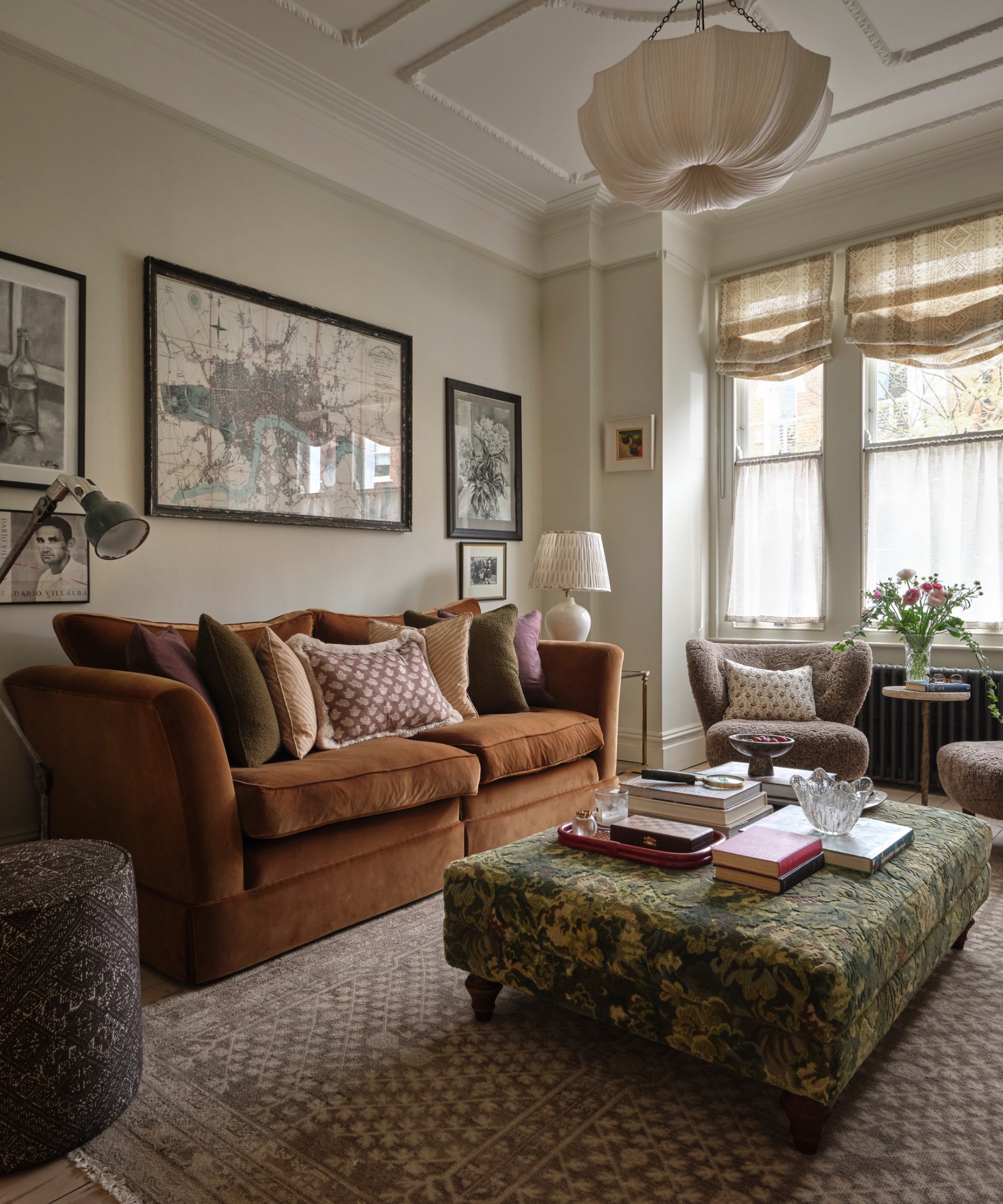
Color is one of the easiest ways to create a sense of cohesion between different pieces of furniture. A living room doesn't need to rely on one dominant shade, but having a shared palette running throughout the space will help individual pieces feel connected, even when their styles and upholstery differ.
Designer Eliza Dewbury, founder of Eliza Dewbury Designs, begins each room with a concept board to establish the overall palette, patterns and atmosphere. 'To create a room with depth and richness, I want at least three complementary shades within the palette,' she explains.
Once the wider scheme is established, Eliza chooses a standout fabric to act as the starting point for the design. Ideally, this will incorporate the key colors from the concept board, allowing her to draw out individual shades and repeat them across the room in different ways. It might be a patterned ottoman, for example, that inspires the sofa color, or a particular shade in an armchair's upholstery that is picked up again in the cushions.
In her above project, a beautiful Pierre Frey tapestry jacquard upholstered on a central ottoman provided the starting point. Its botanical motifs and rich, earthy colors informed the rest of the seating scheme, including a cinnamon velvet sofa and Scandinavian sheepskin armchairs. 'This shows that the colors don't need to match the star fabric exactly, but there should be a relationship between them. This creates a common thread throughout the room, allowing each piece of furniture to have its own personality while still feeling connected to the wider scheme,' says Eliza.
Design expertise in your inbox – from inspiring decorating ideas and beautiful celebrity homes to practical gardening advice and shopping round-ups.
If you're unsure which colors to bring together, designer Tabitha Organ, founder of Tabitha Isobel, favors rich, earthy shades such as olive green, caramel, tobacco brown and deep burgundy. Their natural warmth makes them particularly versatile, and they work beautifully across different materials and furniture styles.
'You don't need every piece to share the same color or material. Working within a complementary palette gives you the freedom to experiment with different furniture styles, fabrics and textures while keeping the overall scheme cohesive,' says Tabitha.
2. Play With Contrasting Shapes, Silhouettes and Proportions
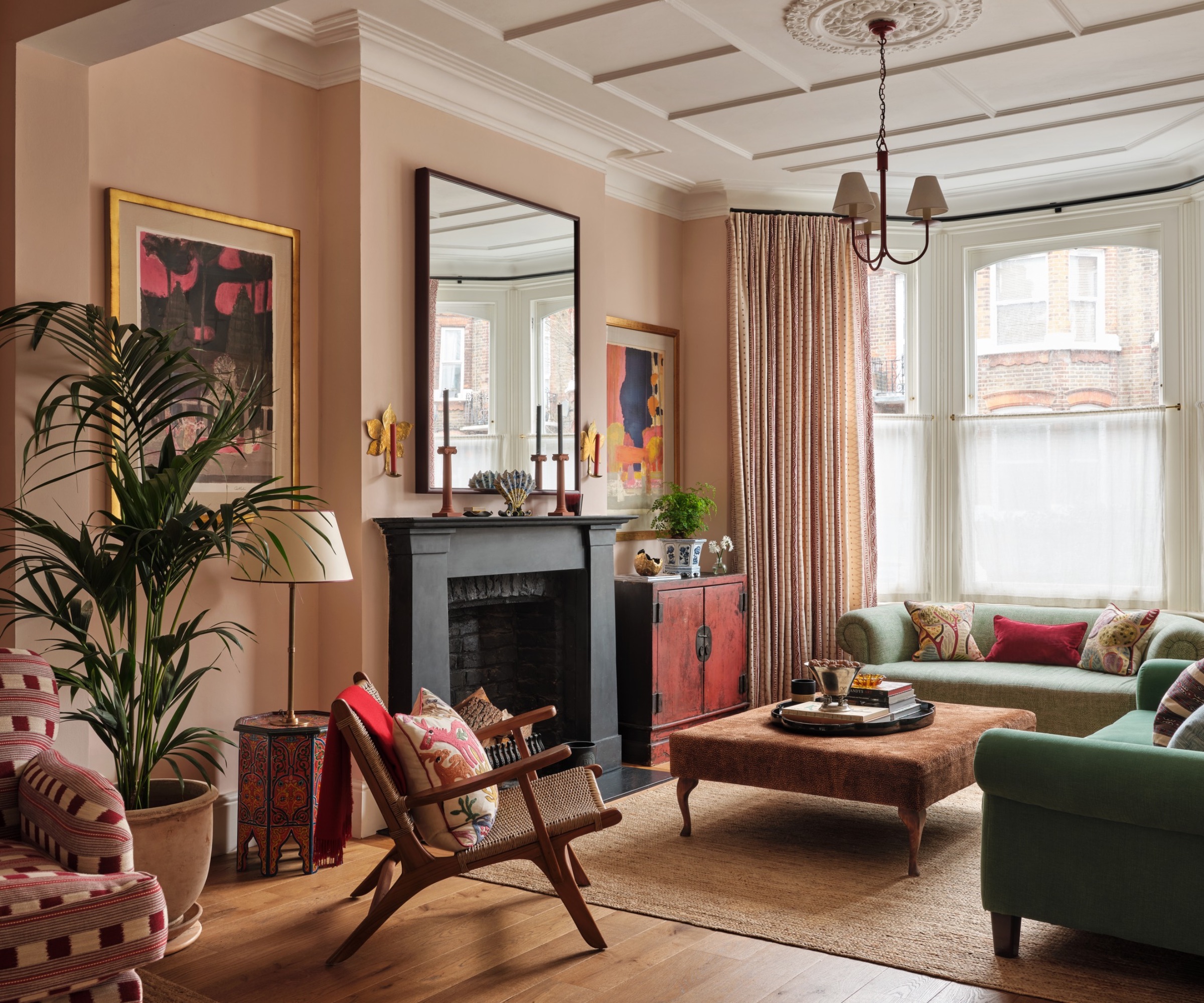
When it comes to mixing living room seating, it's worth looking beyond color and upholstery to consider the shape and scale of each piece. A room filled with furniture of similar proportions can feel a little flat, even when the fabrics and finishes vary. Introducing contrasting silhouettes, on the other hand, brings movement and visual interest.
'I love pairing a generous, low sofa with something more upright or architectural, or introducing a smaller antique chair alongside a contemporary upholstered piece,' says Hollie Velten, founder of SPACES by Hollie Velten.
A rounded occasional seat can balance something more angular, while a proportional sofa might complement a more oversized fixture. The aim isn't to make every piece compete for attention, but to give each one enough presence to contribute something different to the arrangement.
Pay attention to the smaller details, including furniture legs. When several seating pieces have exposed legs, consider how their shapes, colors, and finishes relate to one another. Eliza finds that it's often best to establish either a sense of consistency or a deliberate contrast. 'For example, a traditional bun foot can work beautifully alongside a slender bamboo-style leg, whereas two similar styles that don't quite match can end up competing,' she explains.
Proportion matters beyond the overall silhouette, too. When combining very different seating styles, designer Arabella Mazi, co-founder of Archive for Space, recommends being mindful of seat heights. 'Keeping these relatively consistent is a good rule when combining different styles, helping the furniture feel connected and ensuring everyone sits comfortably together,' she says. It's a small detail, but one that can make all the difference to how a seating arrangement looks and feels.
3. Mix Patterns and Textures, but Pay Attention to Scale
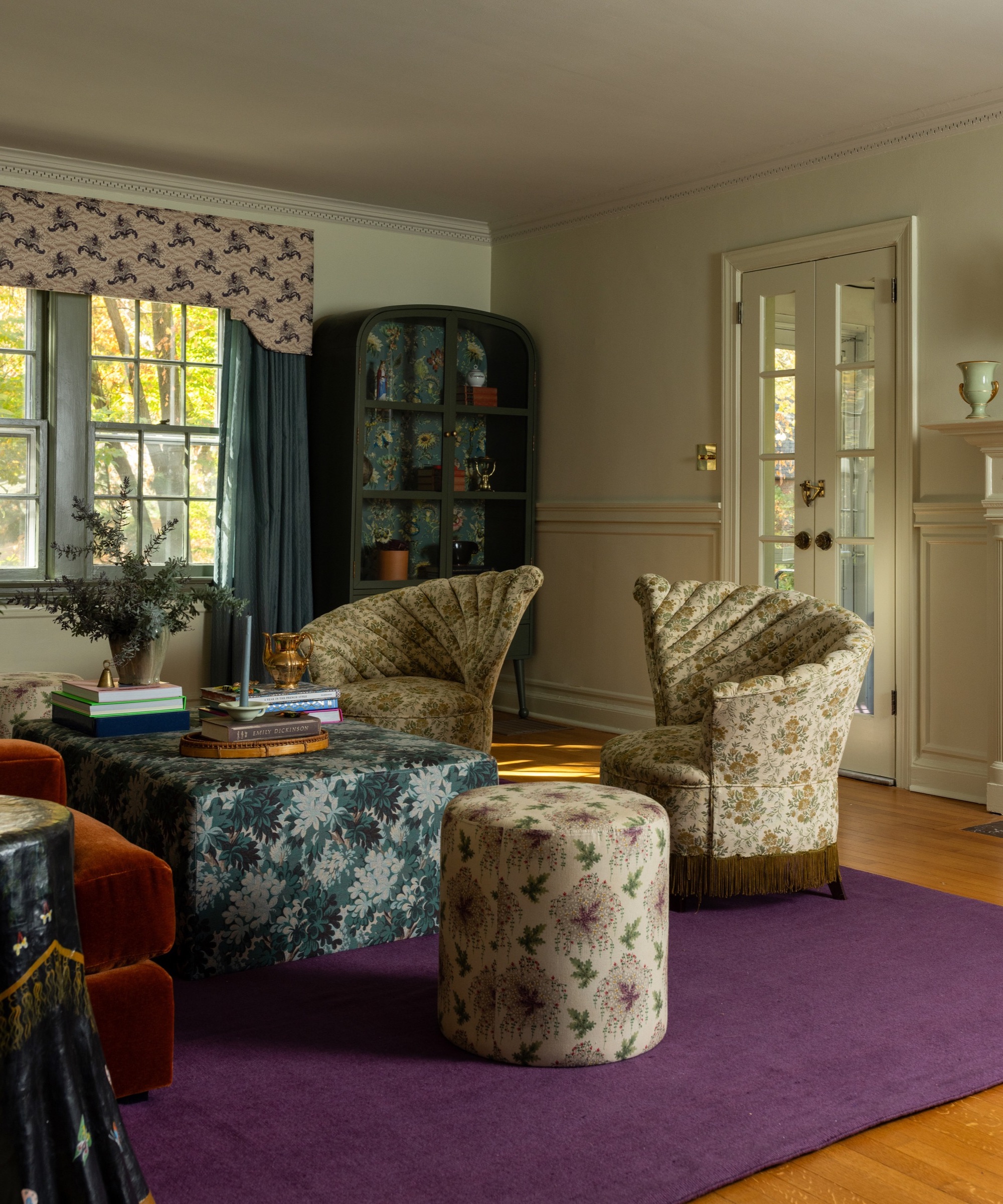
One of the joys of moving beyond matching furniture is the opportunity to have a little more fun with upholstery. Patterned armchairs, textured sofas and colorful cushions can all sit comfortably alongside one another, provided there's some thought behind how the different fabrics interact.
'Don't feel that all your seating needs to be upholstered in coordinating fabrics,' says Emma Joy, co-founder of Studio Farra. 'When mixing fabrics, I think it helps to vary the scale of the patterns and find colors that connect different elements of the scheme. Pair a large, expressive print with smaller-scale patterns and more restrained upholstery, giving the eye somewhere to rest,' Emma advises.
Designer Sophie Garland agrees: 'Having a larger, more dominant pattern alongside smaller, quieter patterns helps the room feel collected and interesting without becoming too busy.' Animal prints are her personal favorite for sitting comfortably alongside all kinds of prints, patterns, and colors.
If you're new to mixing patterns, Eliza suggests starting with three different elements: a solid fabric, a pattern, and a stripe. From there, you can gradually introduce more variety, experimenting with larger and smaller prints that complement rather than compete with one another.
Texture is just as important as pattern, particularly when combining different types of upholstery. Contrasting materials help give a room depth and prevent the scheme from feeling too uniform. 'If I were accessorizing a velvet sofa, I would never choose velvet cushions,' says Eliza. Rather, create contrast!
Think about pairing soft velvet with natural linen, bouclé with smooth leather, or a patterned cotton with a more tactile wool. The different finishes will bring another layer of interest to the room, while a shared color palette helps everything feel connected.
4. Combine Vintage and Contemporary Pieces for a More Collected Look
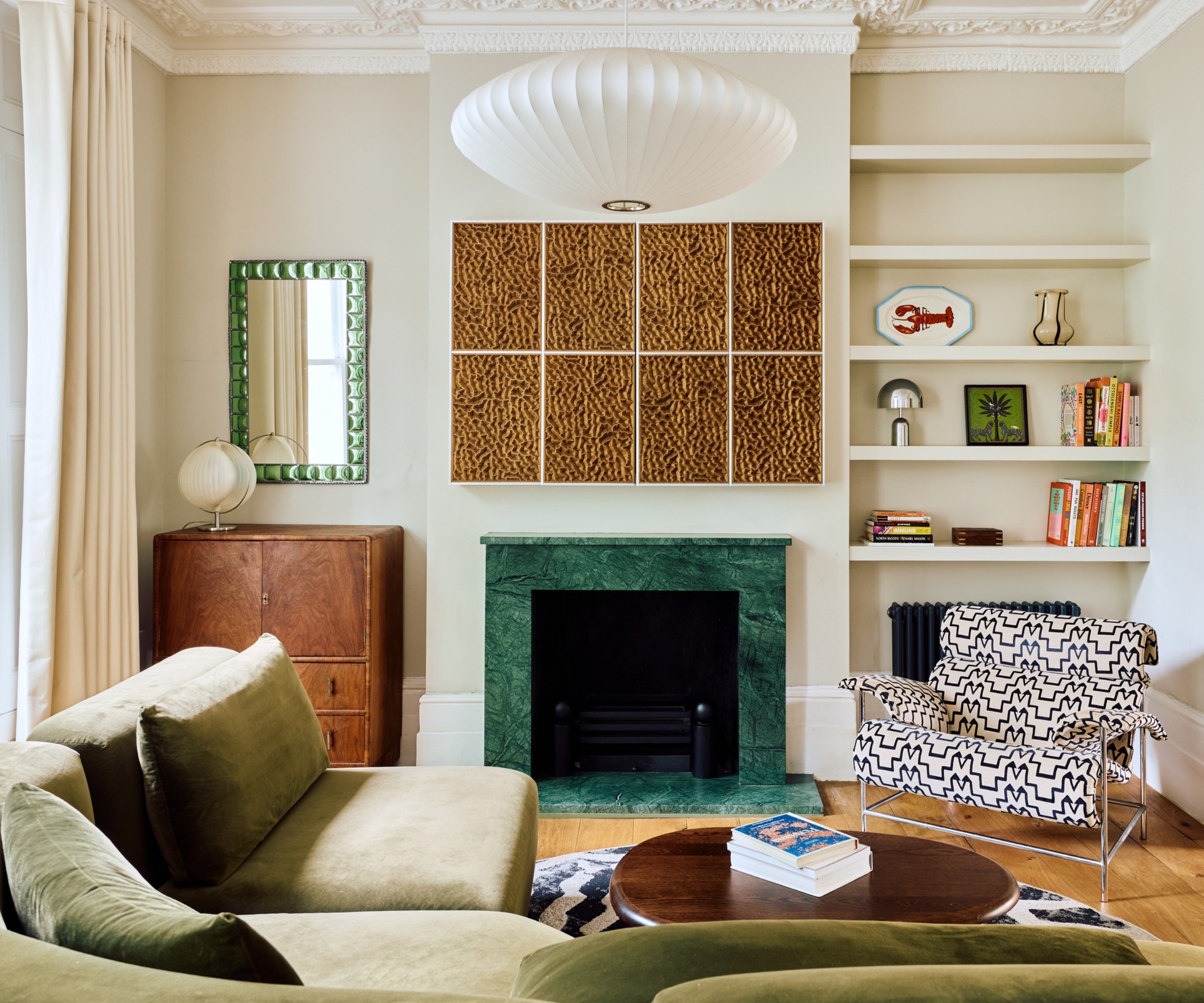
Some of the most characterful living rooms are those that bring together furniture from different periods. An antique armchair beside a contemporary sofa can introduce a sense of history and individuality that is difficult to achieve with a matching set.
When deciding which old and new pieces to combine, it helps to think about comfort and practicality first (or in other words, how much television lounging do you want to do?). 'We typically favor comfortable, contemporary pieces for the primary seating, then introduce something unexpected through secondary seating, such as a sculptural vintage chair or a beautifully crafted antique,' says Jenna Crosbie, senior designer at Robin Rain Design Studio.
These smaller, more characterful pieces can bring a different sense of scale and personality without overwhelming the room. Jenna particularly loves incorporating what she calls a 'pull-up chair': a charming antique side chair tucked beside a sofa or fireplace that can easily be brought into a conversation.
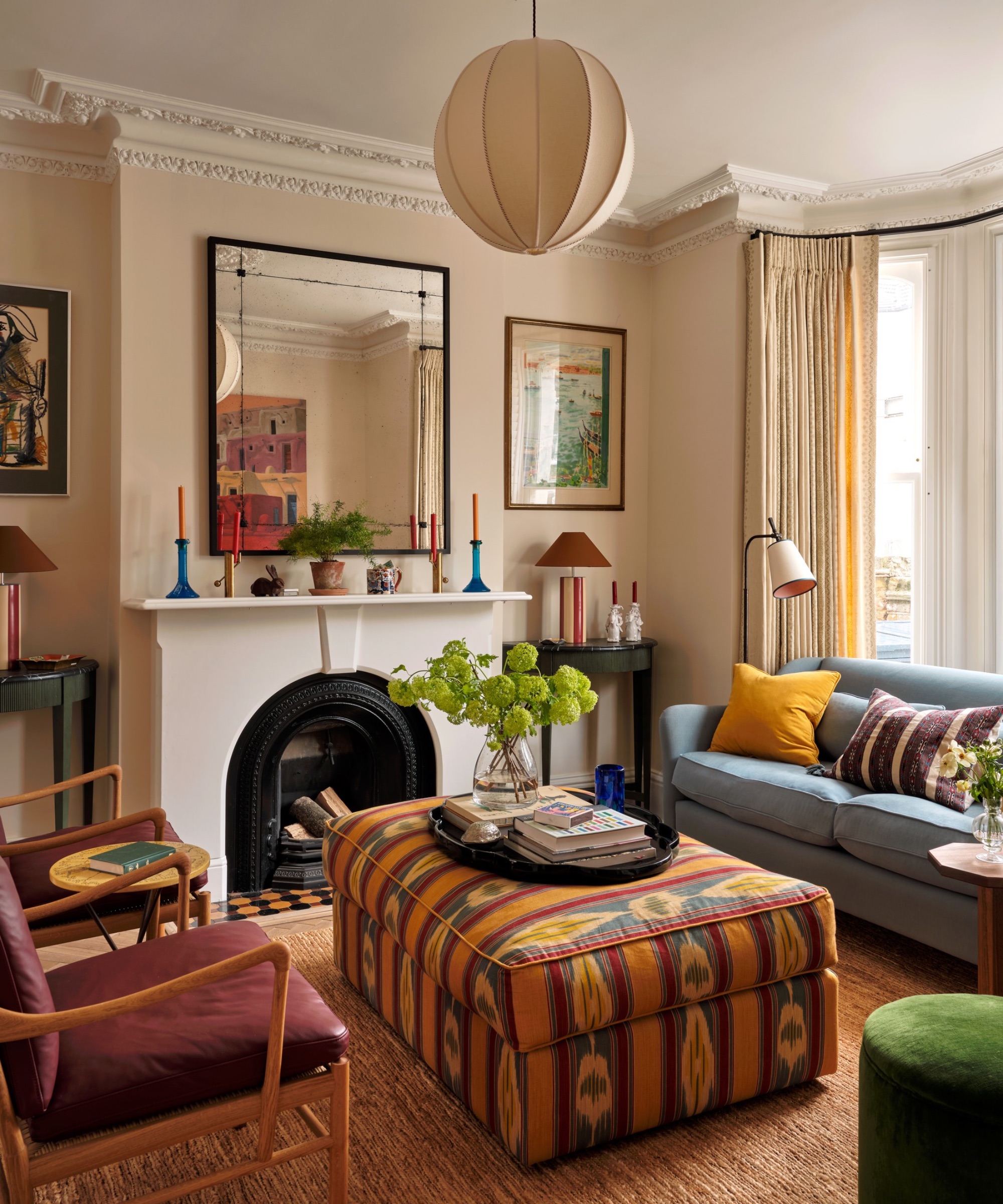
There's no need to feel that pieces from different periods have to be carefully matched, either. In fact, it's often the contrast that makes the arrangement feel more interesting. 'An antique doesn't need to be paired with another antique, and a contemporary sofa doesn't require contemporary chairs. In fact, I usually find the opposite more interesting,' says Hollie.
Materials can provide another subtle connection between furniture from different eras. Tabitha loves the contrast between softer upholstered forms and the more angular lines of vintage furniture, particularly pieces with exposed timber or metal frames. A contemporary velvet sofa, for instance, can look particularly striking alongside a vintage timber armchair, with the different finishes giving each piece room to stand out.
If the overall look is leaning towards cluttered, Sophie recommends using a pair of accent armchairs to help ground the space. Matching furniture is allowed then, just this once. 'Even if the sofa and other seating are quite different, a pair of chairs brings a sense of symmetry and balance to the arrangement.'
5. Think About How the Seating Works Together, Not Just How It Looks
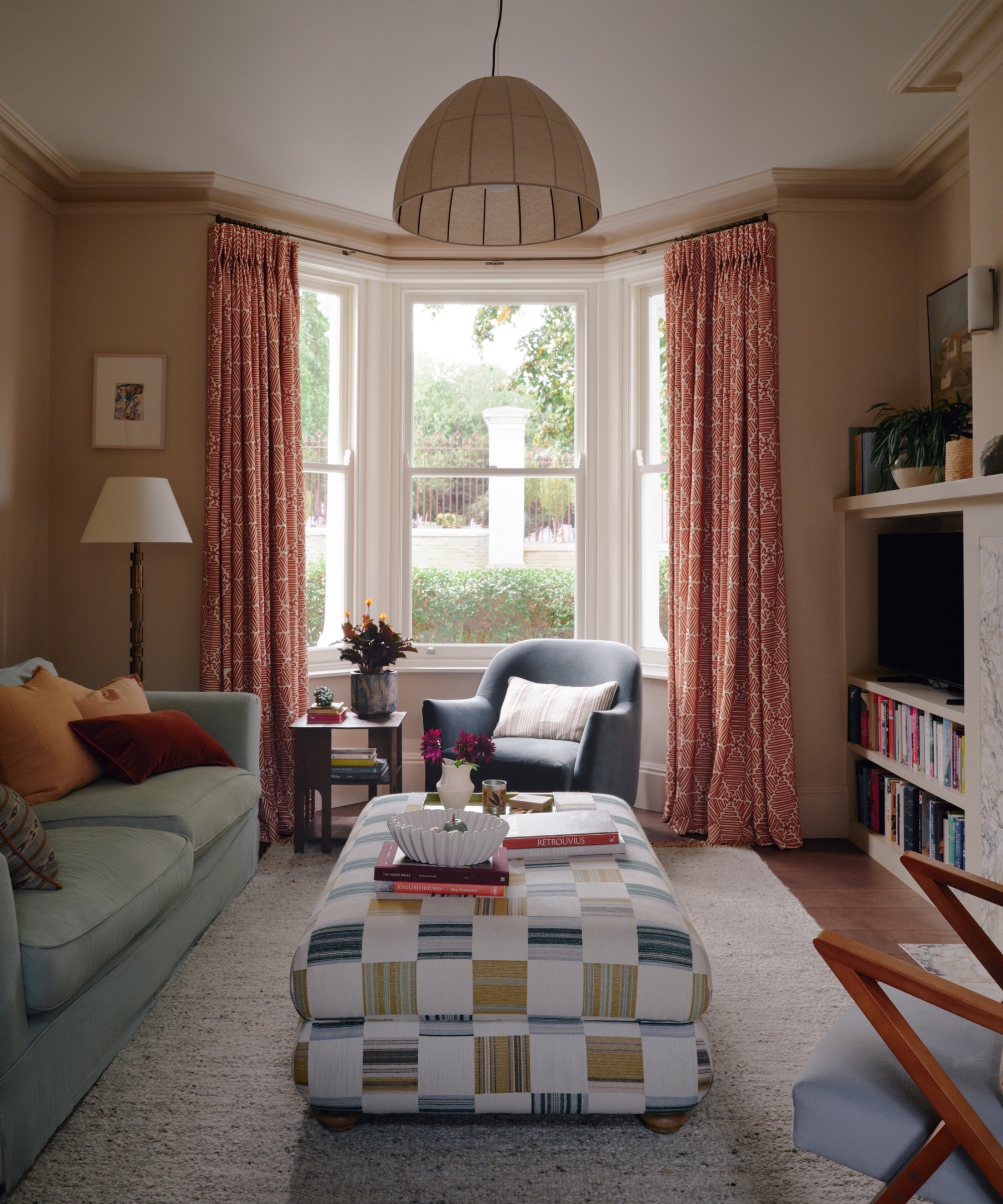
Of course, even the most beautiful seating arrangement needs to work for everyday life. When deciding which pieces to bring into a room, consider how you want to use the space, whether that's somewhere to stretch out with a book, entertain friends, or gather with family.
'Before worrying about whether the furniture looks good together, I think about how people will actually occupy the room. Who sits where? Can someone pull up a chair? Is there a place to put a drink or a book? Does the room work just as well for two people as it does for eight?' says Hollie.
Thinking about how people move through and use the room can help inform the living room layout, too. Rather than lining every seat up around a television or fireplace, consider creating smaller seating areas that encourage conversation. A deep sofa might form the main lounging area, while a more upright chair near a window or fireplace creates a quieter spot to read. Smaller, movable pieces can then be brought into the arrangement when extra seating is needed.
'When furniture is arranged with a purpose, the differences between pieces start to feel intentional rather than mismatched,' Hollie says.
For a more flexible setup, Eliza recommends introducing upholstered poufs, which can work as footstools or occasional tables during the day, then provide additional seating when guests arrive. An upholstered fire fender can also offer a charming extra perch beside a fireplace. Smaller pieces are useful for introducing another fabric or texture, too, without committing to a larger piece of furniture.
As Eliza puts it, 'The key is creating a room that feels comfortable and considered in everyday life, but can adapt naturally when you have a house full of people.'
The beauty of mixing living room seating is that there isn't one formula to follow. A shared color, a contrasting silhouette, or an unexpected vintage find can all help bring different pieces together, creating a room that feels individual rather than overly coordinated.
So don't be afraid to experiment, introduce a little contrast, and let your furniture tell its own story. After all, the most inviting living rooms are those that feel like home, not a perfectly arranged showroom. Go forth to mix and match to your heart's content.
Love beautiful design ideas, expert advice, and inspiring decor trends? Sign up for our newsletter and get the latest features delivered straight to your inbox.