, we sit down for an intimate conversation with an iconic creative, designer, or tastemaker. We go beyond the portfolio to uncover what truly shapes their aesthetic: the memories tied to their favorite spaces, the possessions they can’t let go of, the turning points in their careers, and the passions that fuel their creativity.
For Philip Vergeylen, a room should never be too perfect. The walls, however, are another matter. The Belgian designer believes the architectural bones of a space – the paneling, columns, coving, and beading – should be executed flawlessly, creating a timeless framework for everything that comes afterward. What fills that framework should be more personal, more unexpected, and, ideally, a little imperfect.
It’s an approach that has evolved over a career that began rather unexpectedly. In this latest installment of our series, he talks about how it all began with 17 years at American Express and a life spent largely on planes. Thirteen years after taking on his first Parisian project and joining forces with his partner, Paolo Moschino, Philip has developed a distinctive way of working that starts less with aesthetics than with psychology: understanding how a client wants to feel, then building a room around that. Here, he talks about craftsmanship, Coco Chanel, the art of editing – and why, despite his best efforts, his love of objects will always win.
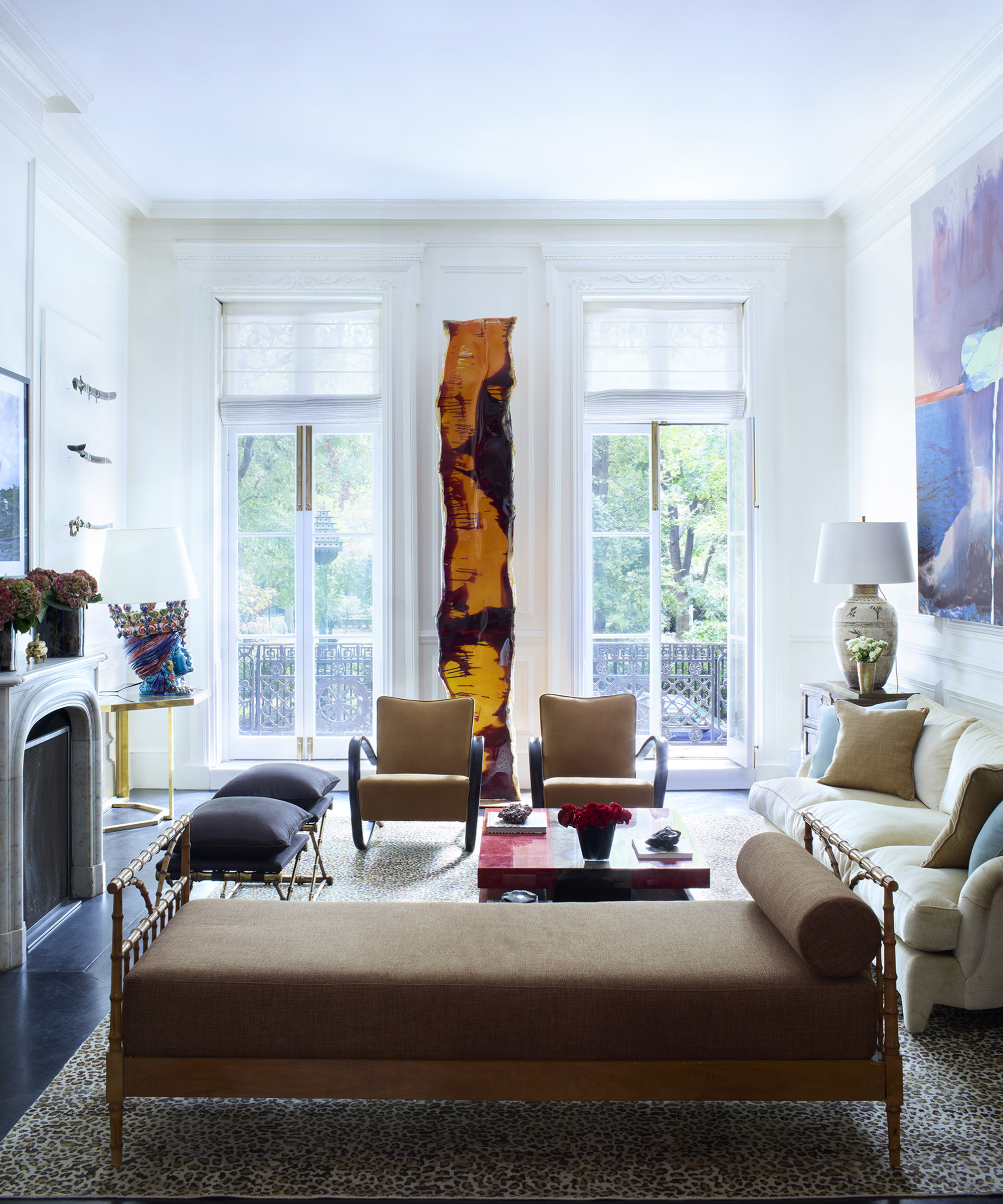
Were you a creative child? Was this career your destiny?
Yes – my family were terrified I was going to become an artist! When I was growing up, I had the choice of either being a doctor or a lawyer, and nothing else existed. So I went the sensible route, and after graduating from business school, I worked at American Express for 17 years as the Global Head of Marketing. I was living 90% of my life on a plane, and after a while, they wanted me to relocate to New York. I had lived there before, and this time I felt that going to nightclubs was behind me – by that time, I was with Paolo Moschino, my partner, and our life was in London. So I quit and planned to take time off. That lasted six weeks before I was bored. Paolo was approached for a project in Paris, but no one at his design studio spoke French – only I did. So I took it on, and here we are 13 years later.
Had you appreciated interiors before then?
I think my fascination with design started when I was studying at university in my grandmother's library and discovered 30 years of French magazines. They were mostly about art, but also about apartments, and I read them all. I remember that I had my own formula for what a room should look like, and I thought the perfect room had French paneling, something Oriental, something red, and something ugly – by which I mean unusual, not too pretty.
Did you feel like you knew what you were doing when you took on that Parisian project?
Design expertise in your inbox – from inspiring decorating ideas and beautiful celebrity homes to practical gardening advice and shopping round-ups.
I had already designed the first apartment that Paolo and I had together, and it was photographed for a magazine and ended up winning an award. I thought, 'If I can fool them, I can fool anyone!' And it gave me a bit of confidence to just get on and design.
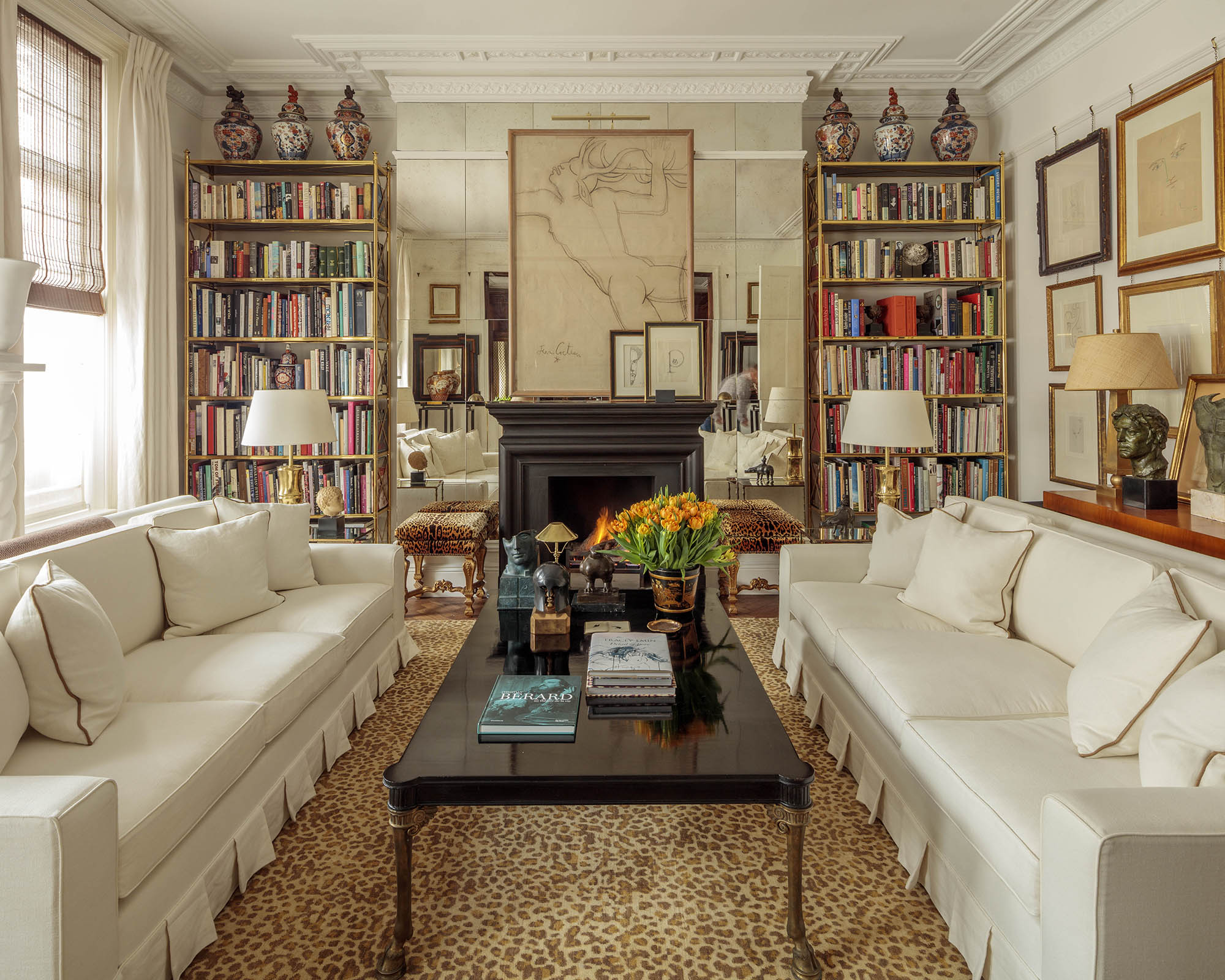
How has your approach evolved since that first project?
As my career continued, I began to like increasingly curated interiors. My first apartment was a reflection of a lifestyle that I aspired to and was directly influenced by Coco Chanel's apartment. I wanted that sense of being a grown-up. Since then, I've learned how to piece things together rather than copy what Coco had already done.
How do you and Paolo work together now?
We complement each other. When I start a project, it takes me a while to really hone the idea down because I spark ideas left, right, and center. Paolo keeps my feet on the ground and reminds me of what is actually possible.
How do you unlock the direction of the design after the idea-sparking phase?
It can take weeks or months before I do that, and it's more about psychology than design. I need to understand what people want. You know, is it a cozy family home, or do they want it to be impressive? That sort of thing. Once I get that, it's like a domino effect, and all the other ideas just fall into place, one by one. I just need to understand the personality of the client, and then it's my job to create a design that reflects their personality, or maybe is even better than they expected. I want to give them a sense of contentment as soon as they walk in the front door. That's when I know my ideas were good.
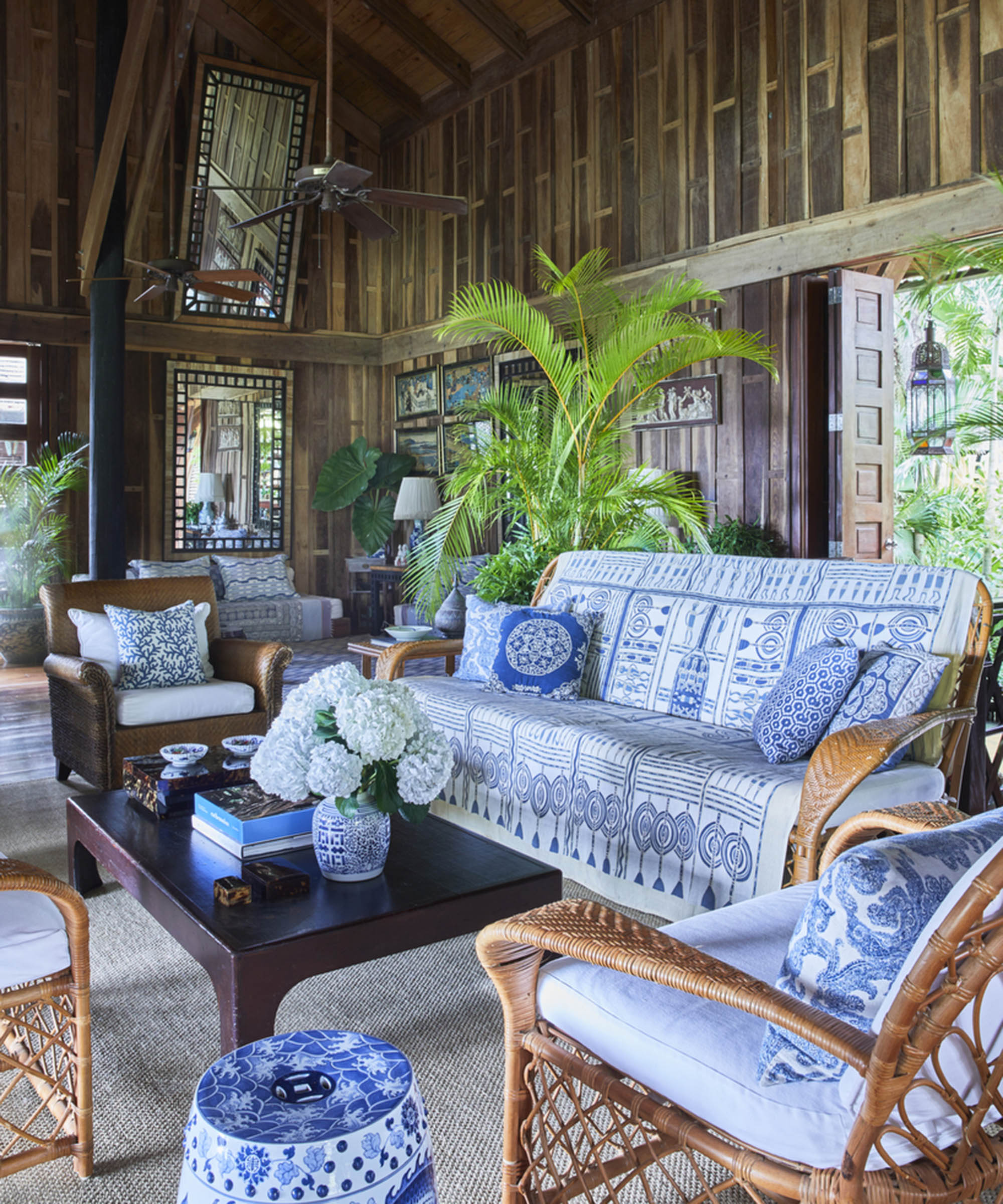
What gives you that contentment in your own home?
As I get older, I like edited, clean interiors more and more, but the trouble is that I am a hoarder. So I have an art collection and a photo collection, and they bring a smile to my face – I just like objects, no matter how hard I try not to.
What is it that gives the rooms you create that wonderful timeless quality?
I can't say what the trend is – I don't know and don't care! But I think there is a thread running through all my projects, and that is that the walls have to be perfect. The columns, the panels, the pillars, the coving, the beading – all of that has to be absolutely perfect. And then what goes inside the room – the furniture and pieces – takes an equal amount of effort, but it should never look perfect. Perfect interiors are boring, but the longevity comes from perfect walls. In my own homes, I might change the carpet – I now have a leopard-print one in my office – but I will never need to change the walls, ever.
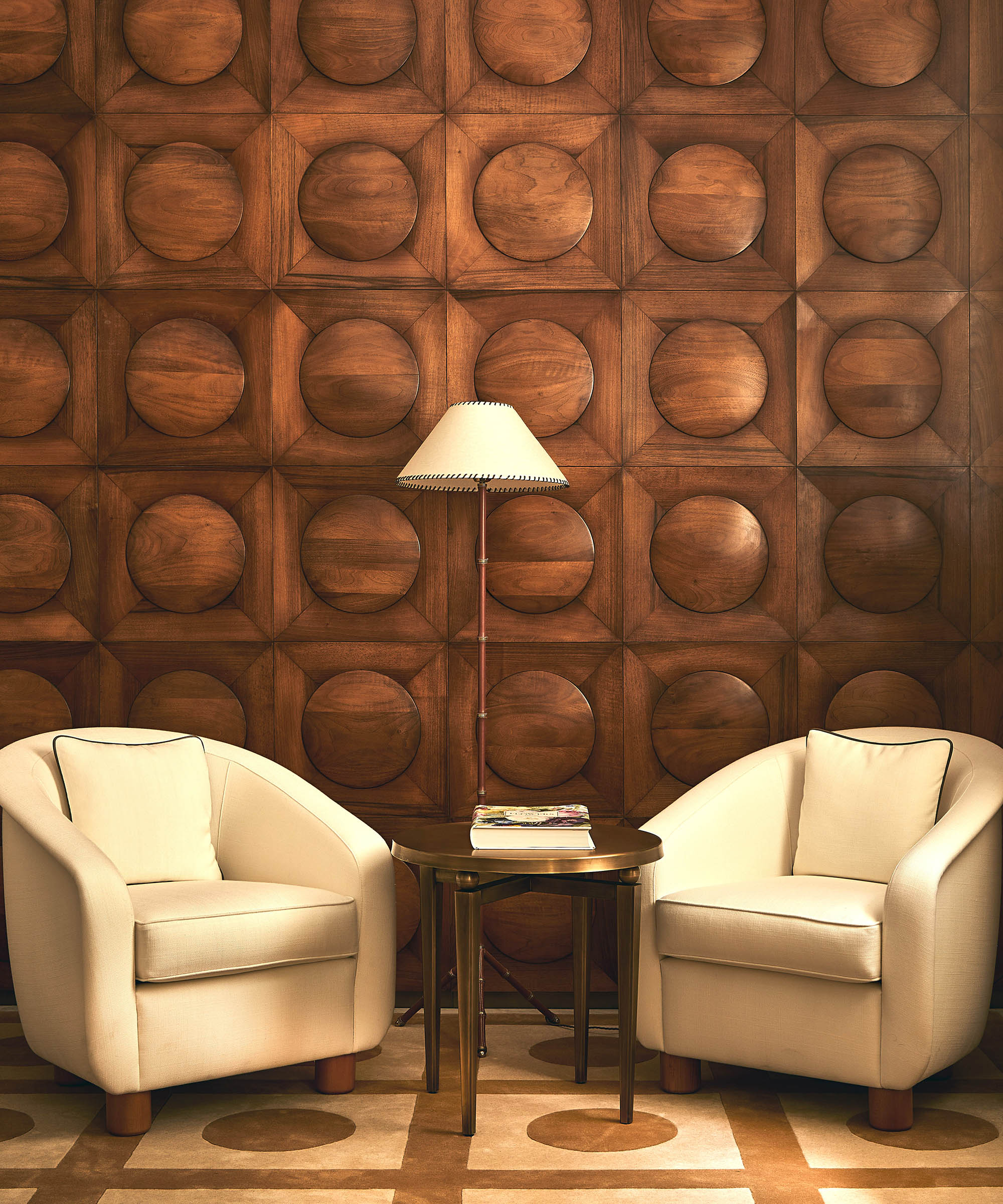
Craftsmanship is so important in your work – that strive for artistry extends beyond just the walls. What is it that fascinates you about this?
I have a deep appreciation for people who have the skills to take something I design and execute it perfectly. We have a longstanding relationship with a rehab community in Italy, whose philosophy is that when people arrive addicted to drugs or alcohol, they live there for four years and learn a skill while recovering. The wallpaper they create is superb – we've done two collections with them – and I wouldn't go anywhere else for bedcovers and throws.
What do you hope someone feels within moments of walking into one of your interiors?
Emotion is incredibly important – rooms should be designed with people in mind. You want people to walk in and feel happy. That may be because the lighting is so good that it flatters them, or the sofa is so comfortable, or they can see their favorite things on display. Or perhaps it's a mix of all of that.
And how does your own home make you feel?
I've done four projects just for us, and have recently finished one in Tuscany. I set out for it to be calm, curated, clean... and then my love of shopping ruined it all! Of course, I have my tchotchkes all around me. There was an anxious moment when I thought I should stop laying them all out, but then I stopped and had a moment of realization. 'Philip,' I said to myself. 'This is who I am! This is me, and that's OK.'
Perhaps the most revealing thing about Philip's approach is that, for all his talk of editing and restraint, he knows that a home ultimately has to feel like the person who lives there. His own interiors may begin with a desire for calm and curation, but the objects inevitably creep back in – and rather than fight them, he has learned to embrace them. It’s a neat summation of his philosophy: get the foundations right, then let life happen. After all, perfection might make a room beautiful, but it is the personality, memories, and slightly unexpected things within it that make it a home.
Love beautiful design ideas, expert advice, and inspiring decor trends? Sign up for our newsletter and get the latest features delivered straight to your inbox.