If you've ever noticed a Northern cardinal pecking at your window, don't be alarmed. It isn't this iconic red bird's attempt at a break-in, but rather a confused attempt to scare off their own reflection.
Northern cardinals are highly territorial and when they spot their own reflection, it triggers aggressive behavior to ward off competitors. But pecking repeatedly at a window can harm the birds, so it's important to stop them.
Ornithologists say it's easy enough to block the reflection to stop cardinals doing this. Plus, having a stylish bird bath and bird feeder (black oil sunflower seeds from Walmart are beneficial to put out in the colder months) ensures your yard remains safe and resourceful for them. Here, the experts tell all on this alarming behavior and what you can do to stop it.
Why Do Cardinals Peck Windows?
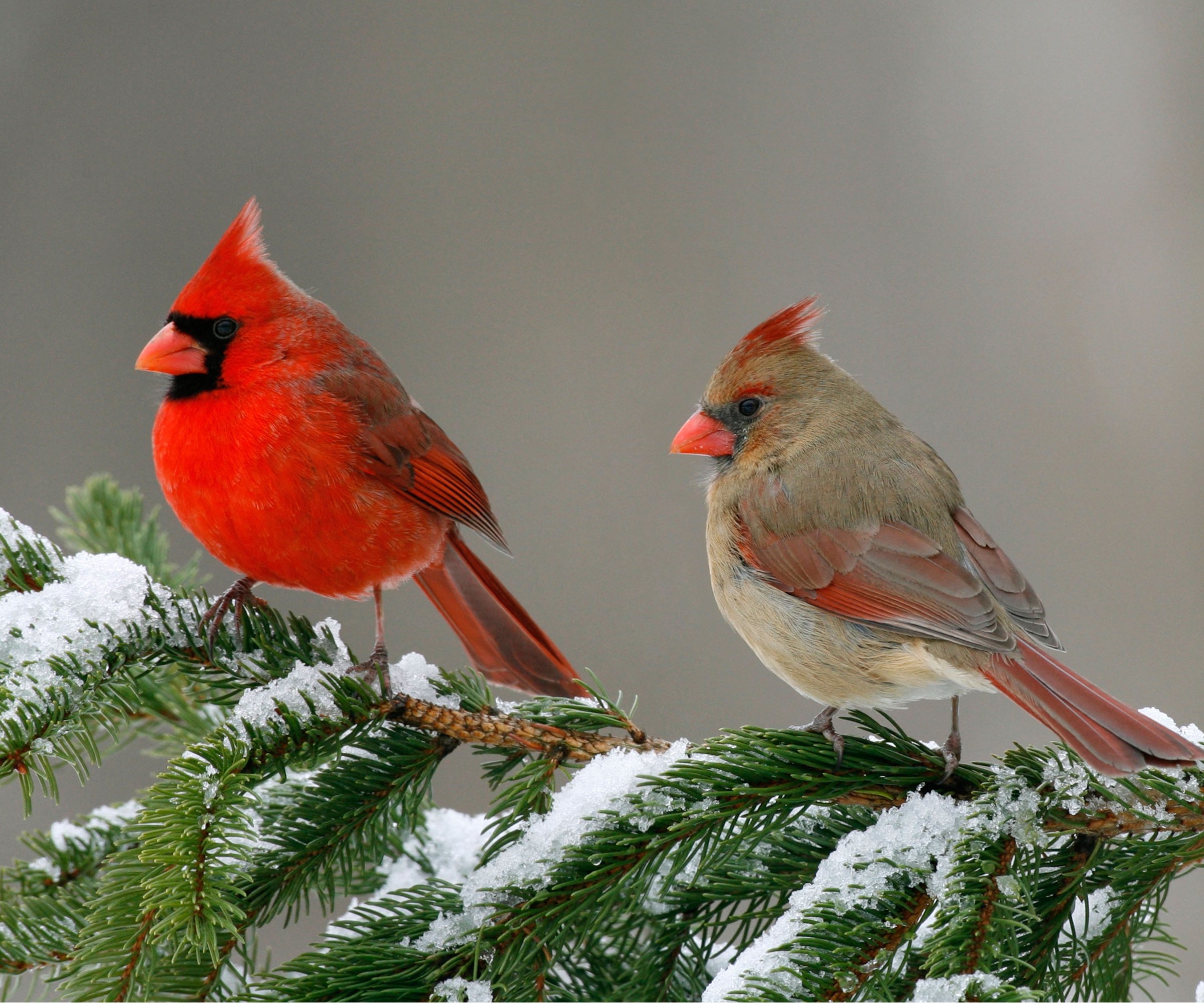
With bright red feathers, Northern cardinals are one of the most striking birds to spot, and they're often are found in backyards making use of bird feeders and shelter. But when they start to peck on your window, it can be concerning sight.
'Northern cardinals are well known for pecking at windows. It's because they're fiercely territorial, especially during the breeding season,' says Maria Kincaid, an ornithologist from FeatherSnap.
'They view the reflections they see in windows and other shiny surfaces as an intruder that they need to defend against, and will stay for hours because that perceived intruder doesn't back down or leave,' she explains.
While breeding season (typically March-August) is when this behavior is most common, it can continue into fall and winter.
Design expertise in your inbox – from inspiring decorating ideas and beautiful celebrity homes to practical gardening advice and shopping round-ups.
'While you'll most often see this behavior in male cardinals, female cardinals will also aggressively defend their territories,' Maria says.
'Not every small tap at your window is aggressive behavior – look for repeated visits and other aggressive behaviors, like fluttering against the glass, and aggressive postures like crouching and fluttering their wings from a nearby perch before flying at the window,' she adds.
This behavior can be harmful and fatiguing for cardinals and forceful strikes at reflective surfaces may even result in death. That's why it's important to put a stop to it to protect and help these birds.
Installing a smart bird feeder can also help you monitor this when you aren't home. If you position it with your home in sight, the real-time alerts of a smart feeder will notify you of any movement, like one of the models in the Birdfy smart feeder collection on Amazon.

Maria Kincaid is the ornithology research specialist at FeatherSnap, or as she refers to it, the team 'bird nerd'. Originally from New Orleans and having lived all over the country, Maria studied Natural Resource Ecology and Management at Louisiana State University. With a lifelong love of animals and the outdoors, it was easy for her to fall in love with birds, birdwatching, and the science behind it all.
How to Help Them

You can stop cardinals from injuring themselves by blocking the reflection.
'Apply decals to windows breaks up the clean reflective surface that confuses cardinals,' suggests Mary Mack Gray, ornithologist at Birdbuddy.
'Closing blinds and curtains can also help when a cardinal starts pecking, or install screens on window exteriors to break up the reflection and provide some protective cushioning,' she says.
'If it's specifically a window, consider adding anti-collision stickers (available on Amazon) on the outside of the windows – not only does this stop the aggressive behavior of the cardinals, but it also breaks up the mirror effect and reduces collisions from birds that don't see the window, but rather a clear path they can fly through,' Maria Kincaid adds.
'Reducing glare and reflectiveness on our windows is important year-round, as 1-2 billion birds are killed by window-strikes each year,' she continues.
'If you're placing a feeder near a window, we recommend it be either within three feet, or more than 10 feet away from a window. While close to a window seems counterintuitive, it means a bird can't build up enough momentum to hurt themselves,' Maria explains.
As well as removing the reflection hazard, you can help cardinals in winter by making your garden resource-rich.
'Offer high-calorie, high-fat foods (for example, black oil sunflower seed, suet, or safflower seed, which is available at Walmart) on a platform feeder,' says Mary.
Our collection of the best winter bird feeders has some options to explore. A platform feeder (like this from Wayfair) suits the feeding needs of Northern cardinals, where tube feeders tend to be too small for them.
'Providing a clean source of fresh water is also a great way help to these birds,' says Mary. 'Clean your bird bath at least weekly in winter. A heated bird bath can also be worthwhile if you live in an area with harsh winters,' she adds.
A heated bird bath (like this beautiful green one from Amazon) is one of the easiest ways to stop a bird bath from freezing over in winter.
'Providing shelter is also important year-round as a place to escape predators or rest. Cardinals especially enjoy dense, shrubby areas with lots of foliage,' Maria notes.
'Adding brush piles to a corner of your yard are also fantastic for many different garden birds, and a good reason to be a little more lax on your fall clean-up,' she suggests.

Mary is a wildlife biologist with over a decade of experience in research, conservation, and regulation of endangered and imperilled species. Mary's expertise is in avian ecology, specifically: cooperative breeding; reintroductions/translocations; behavioral ecology; endemic & fire-dependent habitat specialists; and habitat managem
What to Shop
As well as keeping feeders filled through winter, you can make your garden more bird-friendly by growing the best native plants to feed birds in winter. This includes American Beautyberry (which you can order from Trees.com) and coneflowers (explore the collection at Nature Hills).
If you love inspiring garden ideas, outdoor advice, and the latest news, why not sign up for our newsletter and get the latest features delivered straight to your inbox?