Salvias are a diverse range of plants with colorful flowers, textural and aromatic foliage, and an ability to attract pollinators in droves during the season. They are low-maintenance perennials that require some TLC in late fall to guarantee the best display next year, but exactly what they need in November depends on certain factors.
You should start preparing salvias for winter in November, if you haven’t already. The amount of care and protection required will be influenced by the type of salvia and your climate. Hardy salvias may need little more than mulching in colder zones, while tender varieties will want a little extra protection. If you grow salvias, make sure you know what category they fit into before doing anything this month.
Here is what to do with salvias in November, including hardy, borderline-hardy, and tender types. We outline four key tasks, not all of which will be relevant in every garden or for every salvia. If you are on the lookout for a really hardy salvia, consider Salvia nemorosa, such as this Salvia nemorosa ‘Marcus’ at Nature Hills, which is cold hardy down to zone 4.
1. Mulch All Salvias
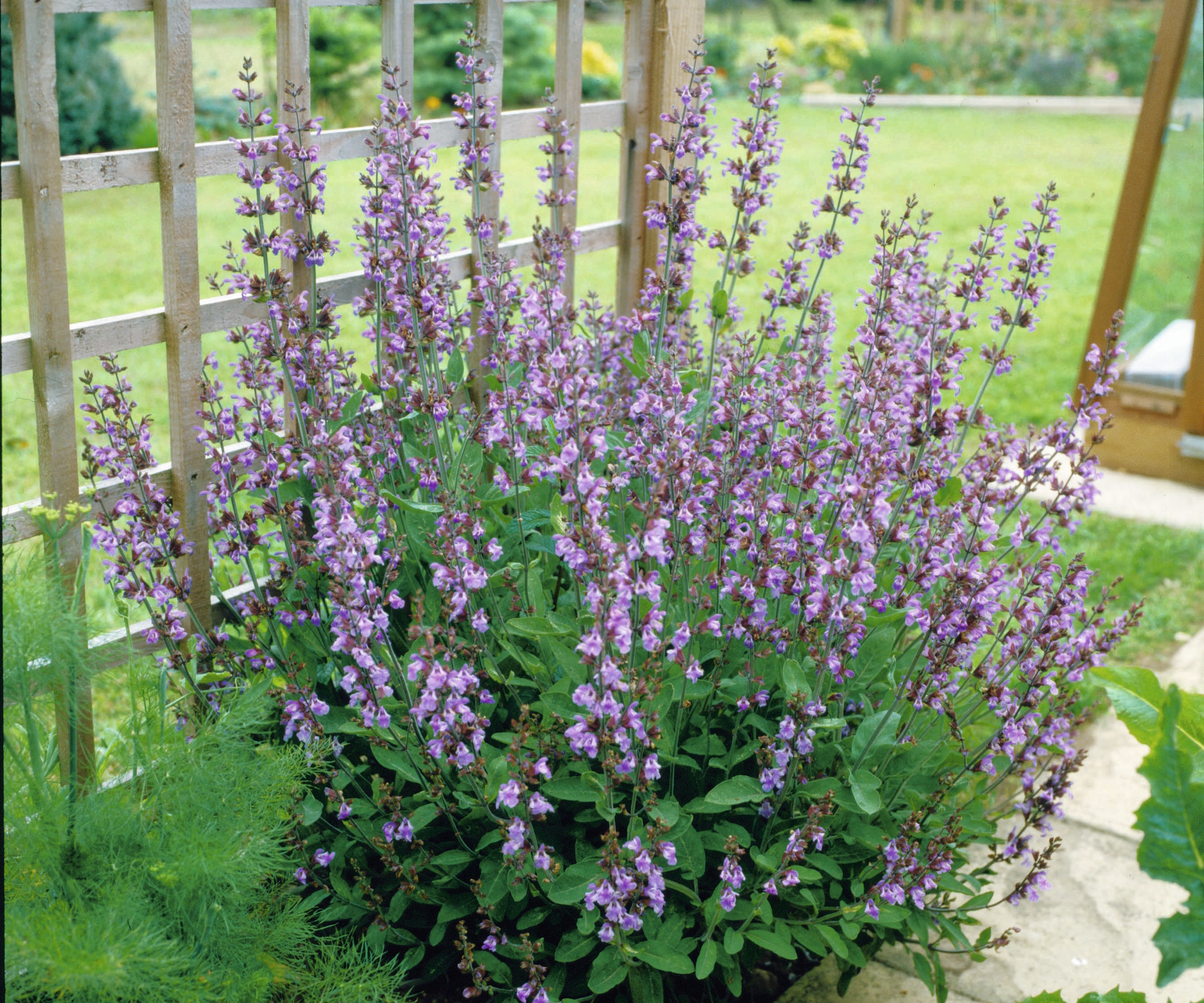
Both hardy and tender salvias benefit from mulching this month. A thick layer of mulch protects plants from frost, like a thermal blanket insulating the roots against freezing temperatures. Mulch not only retains much-needed warmth in the ground, but also prevents frost heave from lifting a salvia out of the ground.
Wait, there is more. Two additional benefits of mulching are that it helps retain soil moisture and boosts soil nutrients as it breaks down. Your salvias will have access to essential nutrients and moisture when they wake in spring, so they’ll develop quickly and healthily. Combine this with some balanced fertilizer in early spring (like this all-purpose plant food at Burpee), and you’ll get a fantastic display next year.
Mulching is a win-win, helping both to winterize salvias and promote strong development come spring. The best types of mulch to apply this month are organic matter. This includes compost, well-rotted manure, or leaf mold. For example, this bag of compost and manure blend at The Home Depot is ideal for mulching salvias.
Apply a 2-4 inch layer around the salvia plants, but avoid piling it against the stems or the crown. Covering the plant retains excess moisture in the crown, which can lead to rot.
Design expertise in your inbox – from inspiring decorating ideas and beautiful celebrity homes to practical gardening advice and shopping round-ups.
2. Cover or Lift Tender Salvias
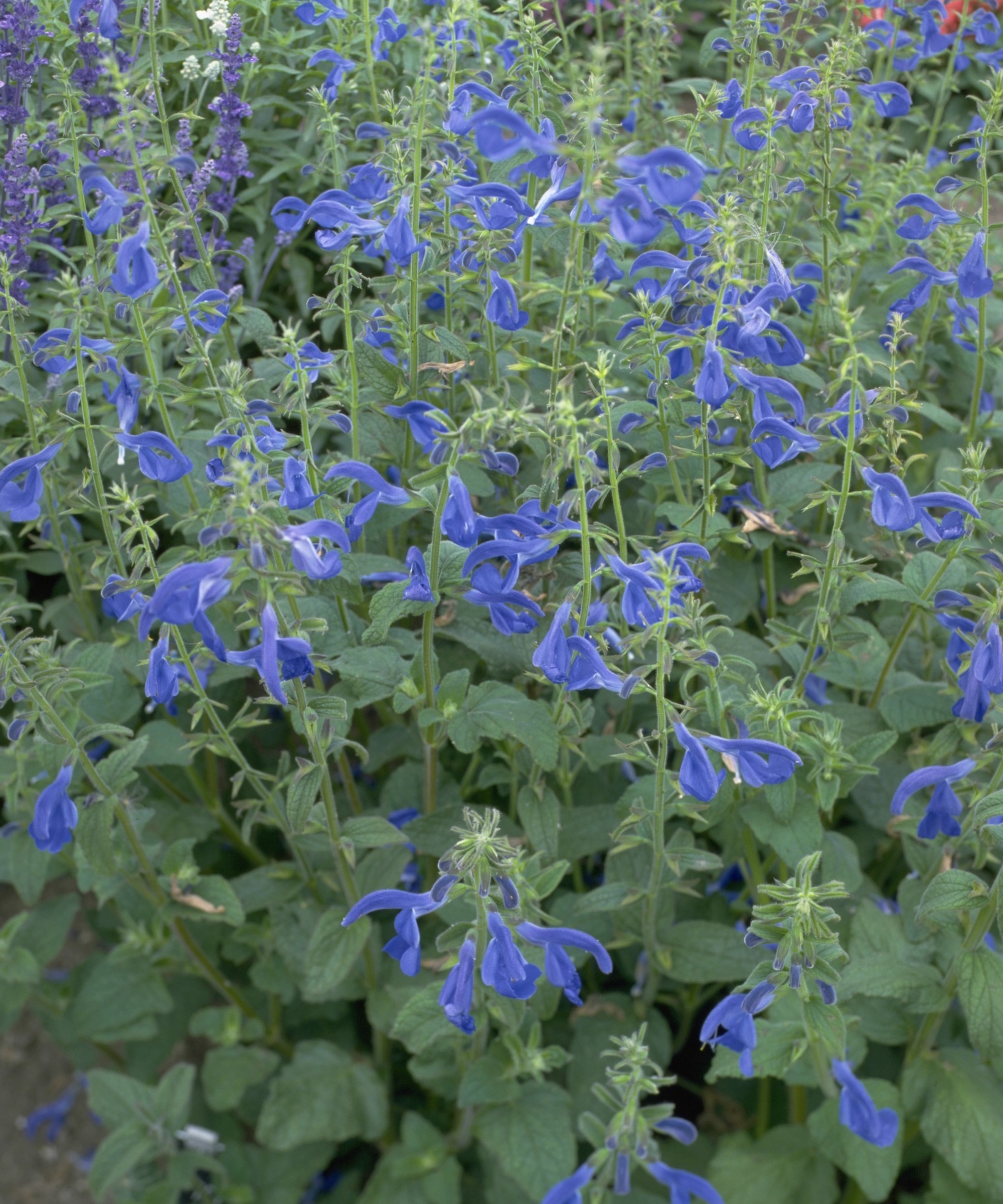
Mulching salvias in flower beds is essential for tender varieties, including Salvia guaranitica, Salvia leucanths, and the extremely popular Salvia ‘Amistad’.
Their root systems will be eternally thankful for a thick layer of mulch to act as a barrier between them and freezing temperatures. Without winter protection, you can kiss goodbye to any chances of seeing their glorious flowers next year.
For extra protection, cover semi-hardy and tender salvias with frost cloth (also called row covers or horticultural fleece) ahead of winter. Ideally, pick a heavy-grade frost cloth, such as this heavyweight 2.0 oz/sq² cover on Amazon. Use garden hoops or bamboo poles (available at The Home Depot) to create a structure over the salvias, and secure the cover over the plants as well as to the ground.
Alternatively, if you have the space, lift tender salvias and bring plants indoors in November to escape the winter elements. Carefully lift the plants from the ground and put them into containers filled with well-draining compost, such as this Miracle-Gro potting mix on Amazon. The plants can spend winter in an unheated, frost-free greenhouse.
3. Move Any Salvia in Pots
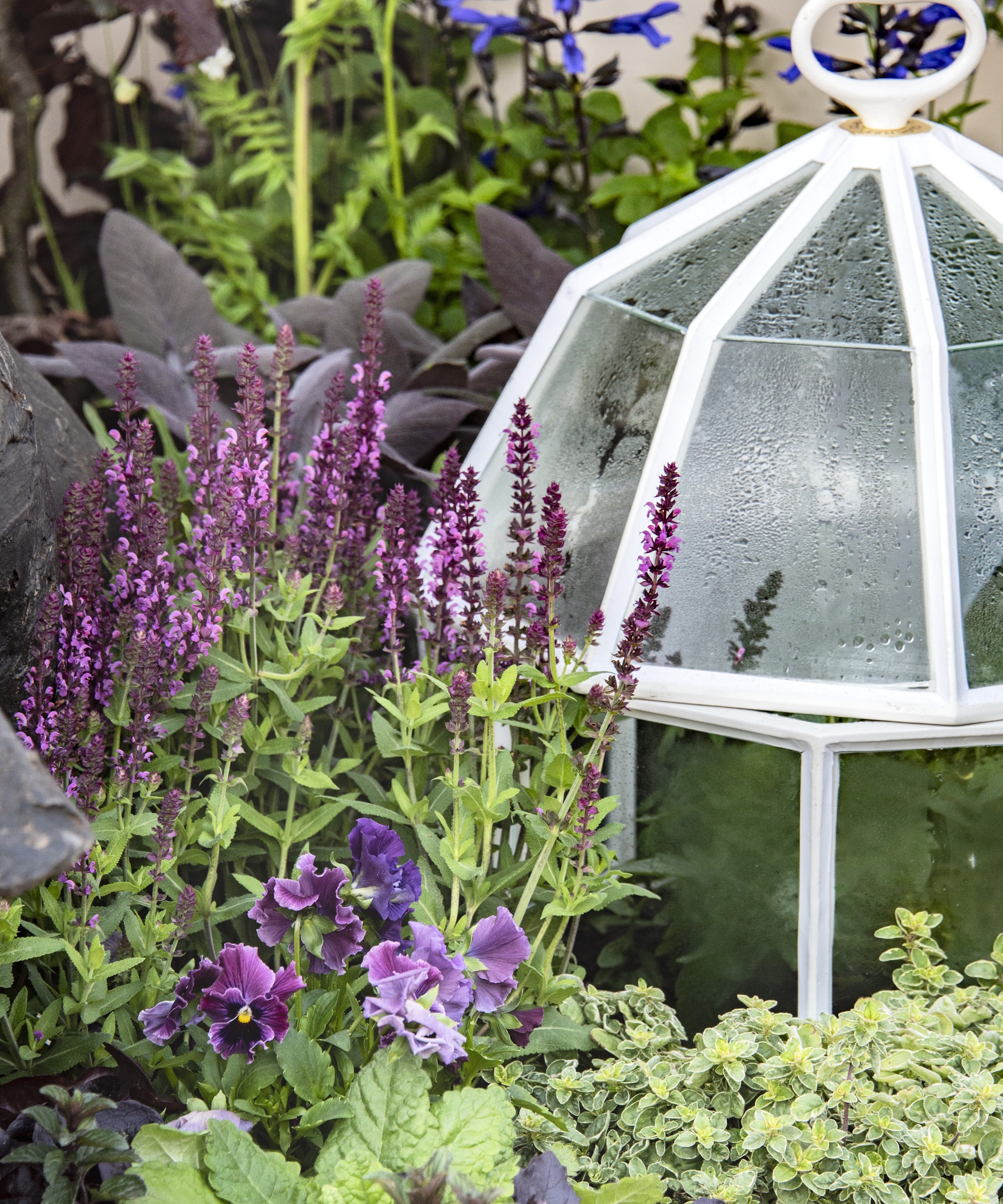
If you grow salvias in pots, a simple way to protect them ahead of winter is to move pots together. Grouping pots creates a natural microclimate that traps heat and helps to insulate the delicate roots. It is important to winterize any salvias in pots, even hardy varieties, as their roots are more susceptible to frost in containers.
So where is best to put them? Gathering them against a fence or wall blocks cold winds, while keeping the pots next to the home allows them to take advantage of the warmth that permeates through the walls. Keeping them under an overhang or the eaves protects them against freezing rain.
If extremely cold nights are forecast, you can always wrap the pots in frost cloth or burlap. Insulated pot covers are available for winter use, such as these winter pot covers on Amazon.
To stop your salvias from waterlogging or sitting directly on cold, wet surfaces that can freeze over winter, raise them on pot feet. You can get a pack of 12 rubber pot feet at Walmart.
4. Gently Trim For Health Reasons
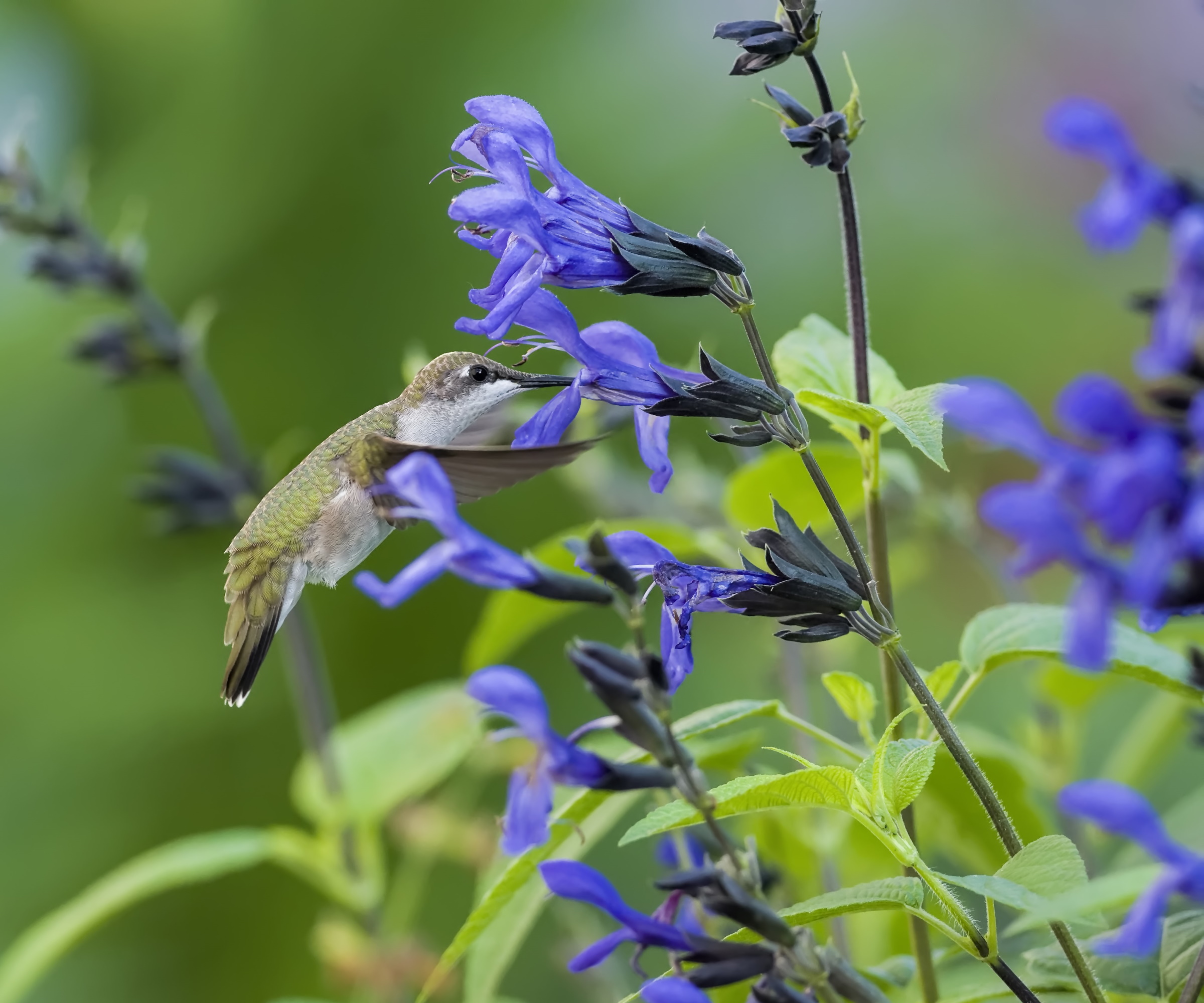
You shouldn’t heavily prune salvias at this time of year. The old growth helps protect the crown from winter damage, so it's best to keep it in place. However, some small-scale trimming can be done, but only in certain circumstances.
This includes removing dead, damaged, and diseased material, including any growth that shows signs of powdery mildew and grey mould. Those fungal diseases can overwinter on the plant and on any debris left around it to infect new growth when it starts coming through in spring.
Removing affected material and clearing away plant debris, such as leaves or stems that surround the salvia, stops next year’s stems from facing a battle with disease straight away.
Use a pair of clean, sharp pruning tools to cut down infected stems, and disinfect the pruners after use with household disinfectant to prevent spreading the disease when you do any other trimming.
What to Shop
Come November, most attention focuses on protecting plants for winter. There are still planting opportunities, though, so don’t overlook the potential to add to your garden this month.
If the soil isn’t frozen or waterlogged, you can plant in November. These include spring bulbs like tulips, hyacinths, crocuses, and daffodils, along with bare-root shrubs, trees, or hedging plants.
If you love inspiring garden ideas, outdoor advice, and the latest news, why not sign up for our newsletter and get the latest features delivered straight to your inbox?